All content on this site is intended for healthcare professionals only. By acknowledging this message and accessing the information on this website you are confirming that you are a healthcare professional. If you are a patient or carer, please visit the International Myeloma Foundation or HealthTree for Multiple Myeloma.
The Multiple Myeloma Hub website uses a third-party service provided by Google that dynamically translates web content. Translations are machine generated, so may not be an exact or complete translation, and the Multiple Myeloma Hub cannot guarantee the accuracy of translated content. The Multiple Myeloma Hub and its employees will not be liable for any direct, indirect, or consequential damages (even if foreseeable) resulting from use of the Google Translate feature. For further support with Google Translate, visit Google Translate Help.


The Multiple Myeloma Hub is an independent medical education platform, sponsored by AbbVie, Roche, Bristol Myers Squibb, Pfizer, GSK, Johnson & Johnson, Legend Biotech and Caribou Biosciences. Funders are allowed no direct influence on our content. The levels of sponsorship listed are reflective of the amount of funding given. View funders.
Now you can support HCPs in making informed decisions for their patients
Your contribution helps us continuously deliver expertly curated content to HCPs worldwide. You will also have the opportunity to make a content suggestion for consideration and receive updates on the impact contributions are making to our content.
Find out more
Create an account to access:
Bookmark & personalize site content
Receive alerts for new content in your areas of interest
View multiple myeloma content recommended for you
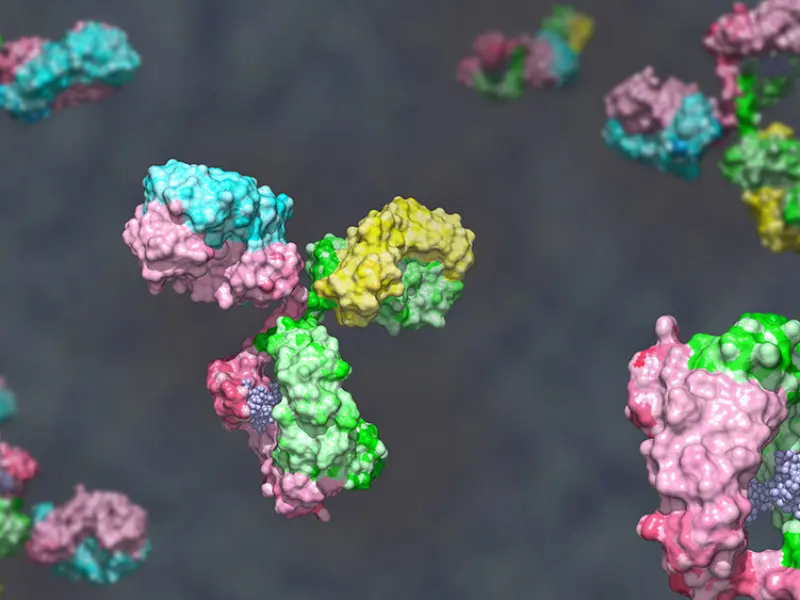
Ramantamig: A novel BCMA×GPRC5D×CD3 trispecific antibody
Results from a preclinical study, evaluating ramantamig, a novel T‑cell-engaging trispecific antibody (TsAb) targeting B‑cell maturation antigen (BCMA), G‑protein-coupled receptor family C group 5 member D (GPRC5D), and cluster of differentiation 3 (CD3), in multiple myeloma (MM) models, were published in Blood by Pillarisetti et al. The study assessed binding specificity and T‑cell-mediated cytotoxicity across MM cell lines, whole blood cocultures, bone marrow mononuclear cell samples, and xenograft models.
Key data:In BCMA/GPRC5D dual-positive cell lines, ramantamig demonstrated T‑cell-mediated cytotoxicity with 50% effective concentration (EC50) values of 0.002–0.312 nM for cytotoxicity and 0.008–1.070 nM for T‑cell activation, with no activity in target-negative cells. In gene knockout models, cytotoxicity EC50 values were 0.007 nM in wild-type cells, 0.330 nM in GPRC5D-knockout cells, and 4.789 nM in BCMA-knockout cells, supporting enhanced avidity with dual-target binding. In whole blood assays, mean EC50 values were 0.274 nM for cytotoxicity and 0.376 nM for T‑cell activation. Ramantamig also induced dose-dependent depletion of CD138+ plasma cells in bone marrow samples from patients with MM (N = 4), and demonstrated antitumor activity in xenograft models.
Key learning: Dual BCMA and GPRC5D targeting with ramantamig may enhance T‑cell-mediated cytotoxicity and help address tumor heterogeneity and antigen escape in MM.
References
Please indicate your level of agreement with the following statements:
The content was clear and easy to understand
The content addressed the learning objectives
The content was relevant to my practice
I will change my clinical practice as a result of this content
Your opinion matters
Regarding bispecific antibodies for multiple myeloma, which of the following do you consider the biggest hurdle for patients and caregivers?