All content on this site is intended for healthcare professionals only. By acknowledging this message and accessing the information on this website you are confirming that you are a healthcare professional. If you are a patient or carer, please visit the International Myeloma Foundation or HealthTree for Multiple Myeloma.
The Multiple Myeloma Hub website uses a third-party service provided by Google that dynamically translates web content. Translations are machine generated, so may not be an exact or complete translation, and the Multiple Myeloma Hub cannot guarantee the accuracy of translated content. The Multiple Myeloma Hub and its employees will not be liable for any direct, indirect, or consequential damages (even if foreseeable) resulting from use of the Google Translate feature. For further support with Google Translate, visit Google Translate Help.


The Multiple Myeloma Hub is an independent medical education platform, sponsored by AbbVie, Roche, Bristol Myers Squibb, Pfizer, GSK, Johnson & Johnson, Legend Biotech and Caribou Biosciences. Funders are allowed no direct influence on our content. The levels of sponsorship listed are reflective of the amount of funding given. View funders.
Now you can support HCPs in making informed decisions for their patients
Your contribution helps us continuously deliver expertly curated content to HCPs worldwide. You will also have the opportunity to make a content suggestion for consideration and receive updates on the impact contributions are making to our content.
Find out more
Create an account to access:
Bookmark & personalize site content
Receive alerts for new content in your areas of interest
View multiple myeloma content recommended for you
 Shaji Kumar
Do you know... Which of the following is an established strategy for reducing the risk and severity of cytokine release syndrome when initiating bispecific antibody therapy?
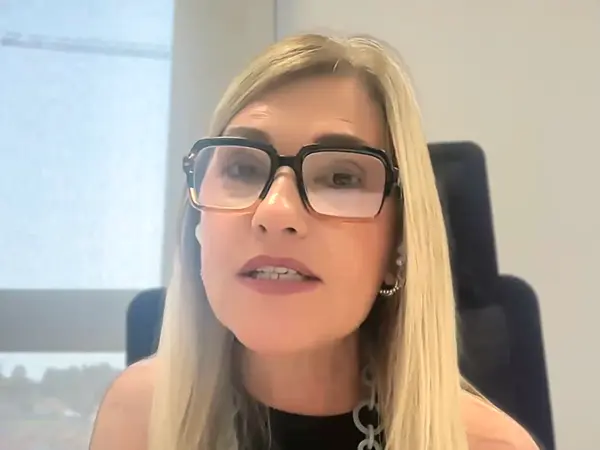
The Multiple Myeloma Hub spoke with Shaji Kumar, Mayo Clinic, Rochester, US. We asked about transitioning patients to community-based bispecific antibody therapy.
In this interview, Kumar discusses practical considerations for transitioning bispecific antibody therapy to community-based practice in patients with multiple myeloma. Kumar outlines strategies for monitoring and managing treatment-related toxicities, including cytokine release syndrome (CRS), neurological toxicities, cytopenias, and infections. Kumar also discusses patient education, supportive care, and the evolving role of less frequent and subcutaneous bispecific antibody administration in facilitating community-based treatment.
How to transition patients to community-based bispecific antibody therapy
How to transition patients to community-based bispecific antibody therapy
Key points
- Immunotherapeutic approaches, particularly bispecific antibodies and chimeric antigen receptor (CAR) T-cell therapies, are increasingly being used in multiple myeloma and can induce deep and durable responses.1,2
- Transitioning bispecific antibody therapy to community-based care could expand patient access while reducing reliance on specialist academic centers; however, these approaches must be safe and convenient for patients and practical for community oncologists.1,2
- Understanding and proactively managing bispecific antibody-associated toxicities is essential for expanding their use in the community setting.3
- CRS is a common adverse event associated with bispecific antibodies, and strategies to mitigate the risk include step-up dosing, prophylactic tocilizumab, and prophylactic corticosteroids.3–6
- Neurological toxicity, while less common with bispecific antibodies compared with CAR T-cell therapies, is another important potential adverse event that requires monitoring.7,8
- Bispecific antibodies can also be associated with cytopenias and infections, requiring close monitoring and appropriate prophylaxis.3,9
- Antiviral prophylaxis is recommended, with antibacterial and antifungal prophylaxis considered in patients with prolonged neutropenia and individual risk factors.1,10
- Intravenous immunoglobulin (IVIg) is an important component of infection prevention, particularly for patients receiving B-cell maturation antigen (BCMA)-targeted bispecific antibodies, given the high levels of hypogammaglobulinemia in these patients.10,11
- Patient counseling on potential toxicities and supportive care are important aspects of transitioning bispecific antibody therapies into community practice, particularly for unique toxicities, such as the oral and dermatological toxicities associated with talquetamab.12
- Less frequent dosing and subcutaneous administration with newer bispecific antibody approaches could further improve convenience and facilitate community-based delivery.2,13,14
- While immune-based therapies are associated with a range of toxicities, with appropriate education, monitoring, and early intervention, most can be effectively managed in community practice, supporting broader access to these therapies.
This educational resource is independently supported by Johnson & Johnson. All content is developed by SES in collaboration with an expert steering committee. Funders are allowed no influence.
References
Please indicate your level of agreement with the following statements:
The content was clear and easy to understand
The content addressed the learning objectives
The content was relevant to my practice
I will change my clinical practice as a result of this content
This content is accurate as of the date of publication and is not updated retrospectively. Please refer to the latest available evidence, guidelines, and relevant regulatory information when making clinical decisions.
More from this series:
Masterclass | Treating MM in the community: Bispecific antibodies


Your opinion matters
Regarding bispecific antibodies for multiple myeloma, which of the following do you consider the biggest hurdle for patients and caregivers?